
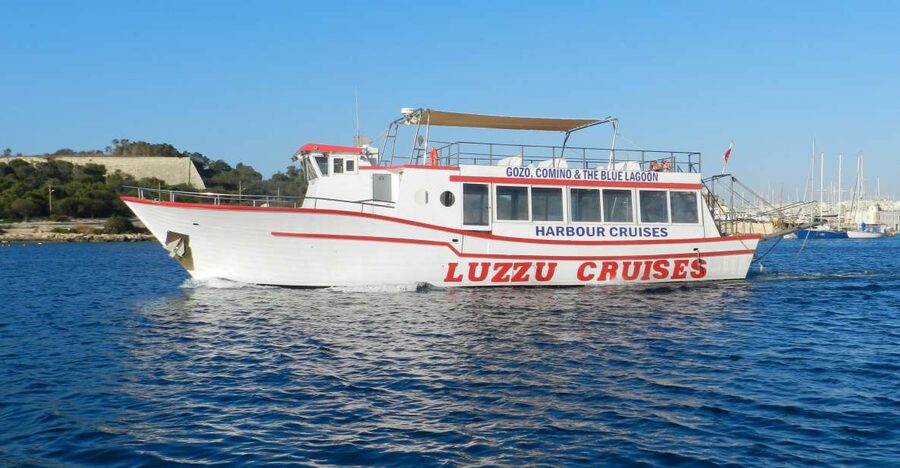
Review · MEDITERRANEAN BOAT TRIPS
Malta: Panoramic Cruise around Malta’s Harbours and Creeks
Malta’s story makes more sense from the water. This 75-minute harbour cruise slips into the creeks around Valletta, passing bastions, forts, shipyards, marinas, and the Three Cities in one tidy outing.
I like the broad route through both Marsamxett Harbour and Grand Harbour, and I like the clear English commentary, which covers both old fortifications and working docks. At $24, it is a solid way to see a lot quickly, though the first part can spend plenty of time on cranes, cargo areas, and dock history if that is not your interest.
Key points to know
- Two major harbours: See Marsamxett Harbour and Valletta Grand Harbour on one continuous cruise.
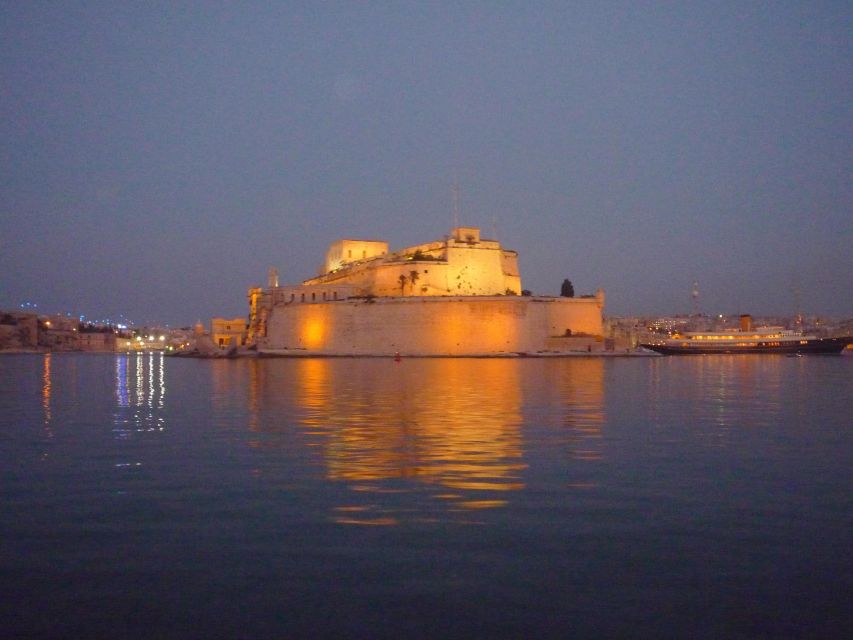
- A close look at the Three Cities: Pass Senglea, Cospicua, and Vittoriosa, including Fort St. Angelo and the Birgu waterfront.
- English commentary: The captain’s live explanations have been praised for being easy to follow, with historical and modern details.
- A working port as well as a pretty one: Expect marinas, shipyards, docks, cargo areas, and historic waterfronts.
- Good value in a short time: The 75-minute trip covers a large area without requiring a full day.
- Simple departure: Meet the Luzzu Cruises boat at Sliema Ferries 4 at least 15 minutes before departure.
Why Malta’s harbours are the real attraction
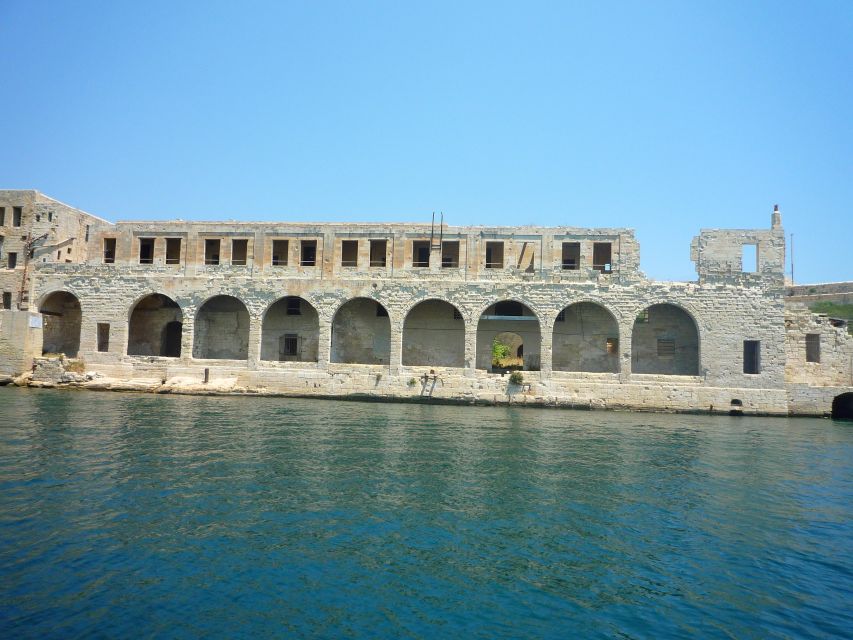
Valletta is often introduced through its streets, churches, and grand stone buildings. From the shore, though, it can be hard to understand how the city fits into the surrounding water. The harbour cruise fixes that quickly.
You move around the natural inlets that shaped Malta’s military and trading life. Valletta sits between Marsamxett Harbour and Grand Harbour, with narrow creeks cutting into the coast and fortified headlands guarding the entrances. From the boat, you get the practical view: which fort protects which stretch of water, how the Three Cities face Valletta, and where modern port activity sits beside centuries-old walls.
I would treat this as a big-picture introduction, not a substitute for visiting the sights on foot. The boat passes St. Paul’s Cathedral, the Upper and Lower Barrakka Gardens, Fort St. Elmo, and the Mediterranean Conference Centre, but you do not go ashore or enter any of them.
That distinction matters. If you want detailed interiors, guided walks, or time inside museums, choose a land tour. If you want to see how Malta’s central harbours connect, this is a useful and fairly easy first step.
More Mediterranean boat trips in Malta
- Sliema: Cruise to Comino, Crystal Lagoon, and Blue Lagoon
★ 4.5 · 6,855 reviews - Malta: Gozo, Comino & Blue Lagoon Cruise – swim & sightsee
★ 4.7 · 6,564 reviews - Malta: Blue Lagoon, Beaches & Bays Trip by Catamaran
★ 4.7 · 5,496 reviews
Leaving from Sliema Ferries 4
The departure point is at Sliema Ferries 4. Look for the Luzzu Cruises boat named Antonia, Helena G, or Sansone, and arrive at least 15 minutes before departure. That extra time is sensible because the waterfront is an active public area, and you will want a moment to identify the correct boat without rushing.
The cruise returns to the same place, making it straightforward to fit into a day based in Sliema or Valletta. It can also suit a short port visit. One family used a taxi service from the cruise port to Sliema and found the connection easy, then enjoyed the relaxed pace around the harbours.
Bring sunglasses, a sun hat, sunscreen, and a camera. There is little shade information provided, so I would not assume you can stay protected from the sun for the whole trip. Malta’s bright light is excellent for photographs, but it can make the water and pale limestone hard on your eyes.
Marsamxett Harbour: marinas, creeks, and Fort Manoel
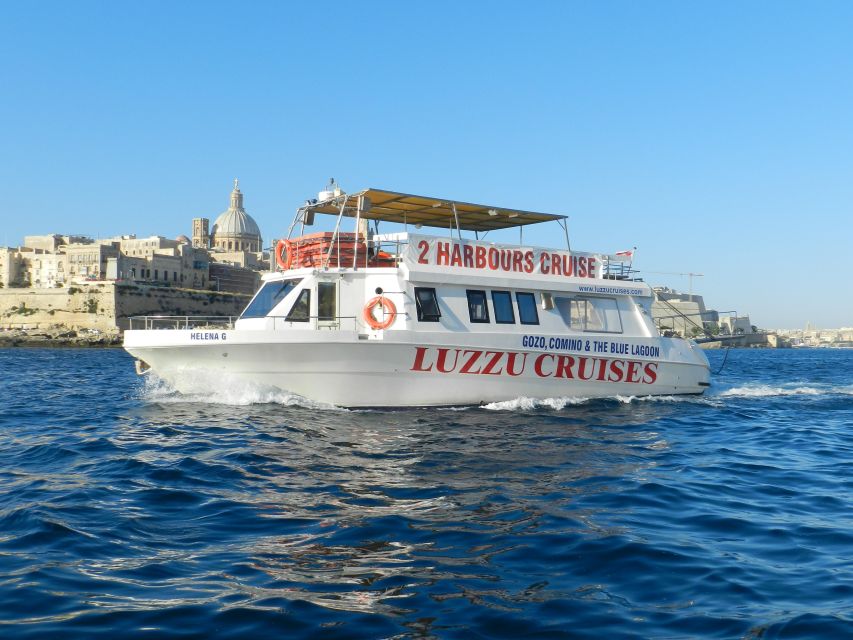
The route begins around Marsamxett Harbour, where the setting feels less like a single grand monument and more like a collection of connected waterfront districts. You pass Fort Manoel, Ta’ Xbiex, and Msida, with yacht marinas and harbour views filling out the scene.
Fort Manoel is one of the early reminders that these waters were carefully defended. From the boat, you see its position rather than its rooms or interior details. The fort’s location helps explain why Malta’s harbours were so valuable: controlling the water meant controlling access to the settlements and ships beyond.
Ta’ Xbiex and Msida bring a more modern view of the harbour. The marinas and waterfront development show that these are still working, lived-in waters, not just a preserved historic zone. That contrast is one of the cruise’s strengths. You are not being shown a stage set. You see pleasure boats, port facilities, older stone walls, and ordinary harbour infrastructure sharing the same narrow space.
The Black Pearl is another passing point on this section. It adds a memorable visual detail to a route that otherwise moves between districts, docks, and fortifications. Since every listed stop is a pass-by rather than a landing, keep your camera ready and do not expect long pauses.
Valletta from the water
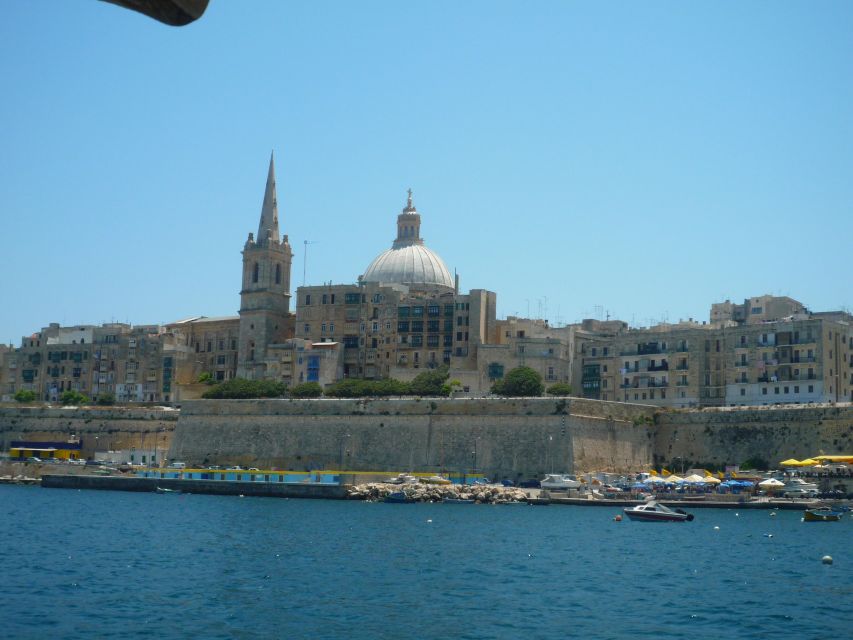
As the boat works toward Valletta, the view becomes more imposing. Floriana and Valletta rise above the water with heavy bastions and defensive walls. From sea level, the scale of the fortifications is easier to appreciate than it is from a street.
You pass St. Paul’s Cathedral, the Cavalier of Fort St. Elmo, the Mediterranean Conference Centre, and both Barrakka Gardens. These are some of the most recognizable landmarks on the route, but the angle is different from what you get on land.
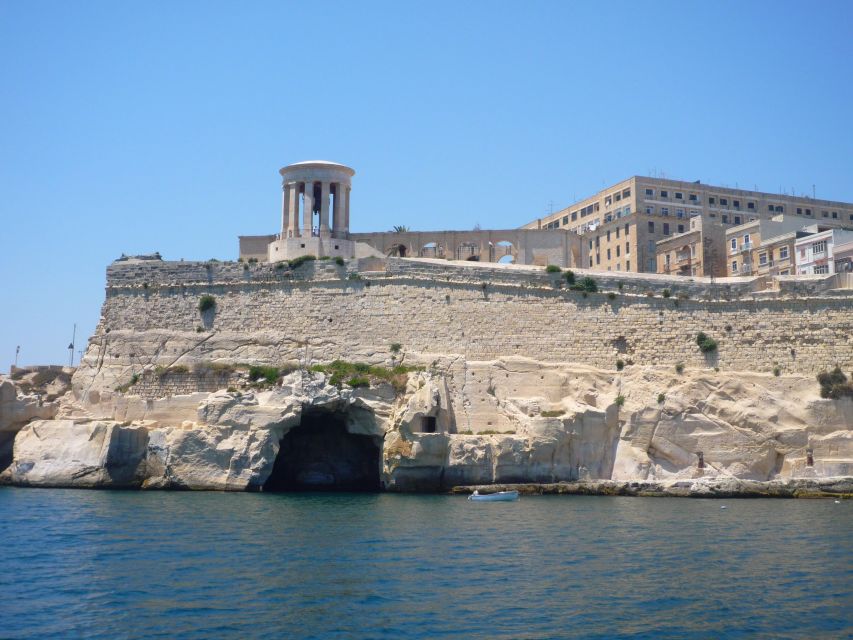
The Upper Barrakka Gardens are famous for their view across Grand Harbour. From the boat, you look back up at the gardens and the walls instead. The Lower Barrakka Gardens sit closer to the water, helping you see how the city’s public spaces and defenses occupy the same steep edge.
Fort St. Elmo is especially important to the cruise’s visual story. Its position near the harbour entrance makes sense when viewed from the water. The boat does not enter the fort, and the commentary cannot replace a proper visit, but the passing view gives you a useful reason to explore it later.
The onboard English commentary is a major part of the experience. The strongest feedback describes it as clear, informative, and easy to follow, with the captain adding both historic and modern details. That is valuable here because the route contains many similar-looking walls and docks. Without explanation, you could see plenty but understand less.
Same stretch of coast, a different day afloat:
- From Sliema: Gozo, Comino and Blue Lagoon Cruise
★ 4.5 · 3,461 reviews - Comino: Blue Lagoon & Caves Boat Cruise
★ 4.7 · 3,070 reviews - From Sliema: Cruise Around Malta’s Harbours & Creeks
★ 4.5 · 2,292 reviews - Comino & Gozo: Blue & Crystal Lagoons Cruise with Sea Caves
★ 4.8 · 2,190 reviews
Valletta Waterfront and the working port
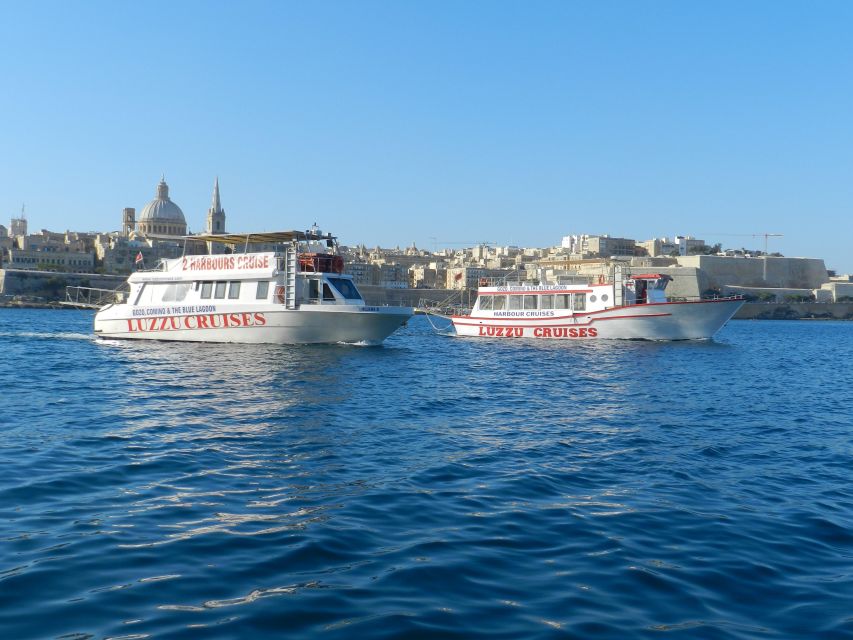
The cruise continues past the Valletta Waterfront and Valletta Cruise Port. This is where the tour’s balance becomes clear. You are not only looking at old stone. You are also watching a modern port handle ships and activity alongside historic buildings.
Dock No. 6 and the Palumbo Malta shipyard bring the working side of Malta into view. These sections may interest you if you like ships, engineering, port operations, or the way an old harbour functions today. If your ideal boat trip is only about scenic walls and blue water, this part could feel less exciting.
One useful point is that the commentary does not treat the docks as filler. It explains their history, including details about cranes and cargo areas. I would see that as either a bonus or a mild drawback, depending on your taste. One particularly useful criticism of the cruise is that the first half gives detailed attention to docks. That is honest advice: you should choose another style of boat trip if port machinery has no appeal for you.
Still, the working harbour adds authenticity. The cruise is not simply circling the most photogenic buildings. It shows why these harbours still matter.
The Three Cities from Grand Harbour
The Three Cities are Senglea, Cospicua, and Vittoriosa, also called Birgu. Their waterfronts face Valletta across Grand Harbour, and seeing all three from the boat gives you a strong sense of their close relationship.
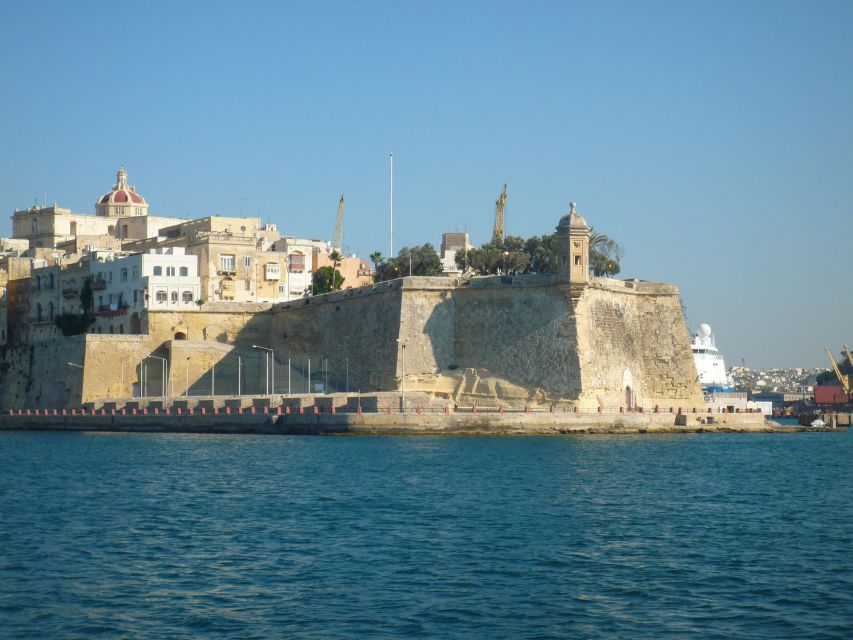
Senglea appears with the Gardjola Gardens and its waterfront defenses. The gardens are known for their lookout position, and from the water you can understand the value of that view. The boat passes by, so you get the setting and the outline rather than a visit to the gardens themselves.
Cospicua follows, bringing another stretch of historic waterfront and fortification. It is easy to treat the Three Cities as one place from a distance, but the cruise helps separate them by moving along their individual edges.
Vittoriosa, or Birgu, is one of the more rewarding sections of the route. You pass the Birgu Waterfront, the Malta Maritime Museum, and Fort St. Angelo. Fort St. Angelo occupies a powerful position at the tip of the peninsula, facing the harbour and Valletta. From a boat, you see why it was such an important defensive position.
The maritime museum is also passed rather than visited. If the cruise sparks your interest in Malta’s naval past, you can make a note to return on foot. That is one of the practical benefits of taking the boat early in your Malta stay: it points out places that deserve a closer look later.
Kalkara, Villa Bighi, and Fort Ricasoli
The route continues toward Kalkara, passing Villa Bighi and Rinella Bay before reaching Fort Ricasoli. This stretch gives you another view of how the harbour opens and narrows around defensive sites.
Villa Bighi sits along the waterfront, while Rinella Bay adds a quieter change of pace. Fort Ricasoli at Kalkara is one of the larger fortifications on the route, and its position makes more sense when seen from the water. You can watch the coastline change from crowded port areas to broader defensive edges.
Again, this is a passing cruise. The value comes from the sequence. You see how forts, bays, shipyards, and city walls relate to one another, rather than visiting one isolated monument and trying to imagine the rest.
That wider view is hard to get from the streets. Valletta and the Three Cities are full of narrow roads and steep changes in height. A boat gives you a calmer line of sight, especially if walking uphill is tiring for you or your companions.
Returning through Marsamxett Harbour
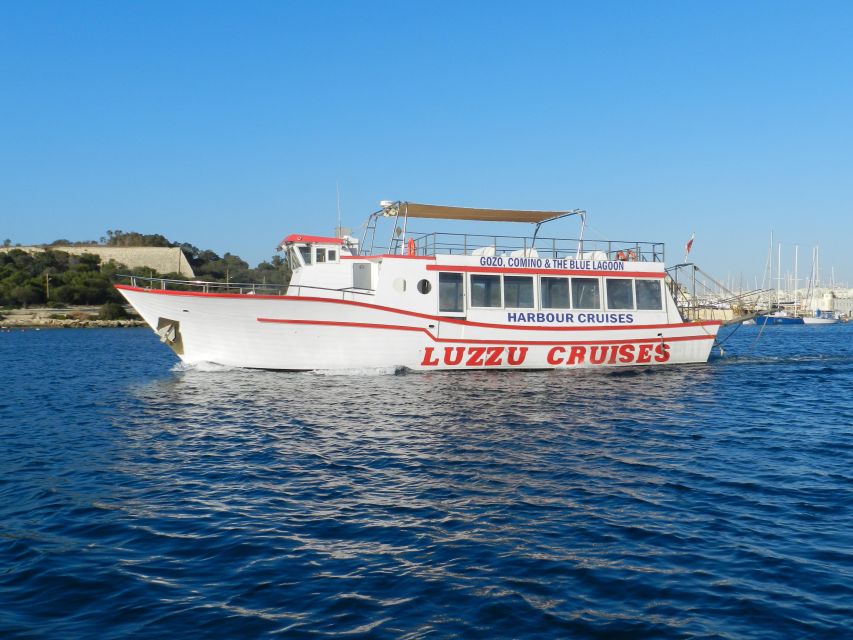
The return section passes Fort Tigne before bringing you back to Sliema. Fort Tigne closes the circuit neatly because it returns the focus to Marsamxett Harbour and the defensive chain around the water.
By this point, you have seen the main landmarks from several angles: Valletta’s bastions, Fort St. Elmo, the Three Cities, Fort St. Angelo, Fort Ricasoli, and the modern port. The route is busy with sights, but the 75-minute length keeps it from becoming an all-day commitment.
I like that balance. You get enough time to understand the harbour system without having to plan meals, long stops, or a separate return journey. The pace is also suitable for older companions who want good views without a strenuous walking schedule. One family specifically found the relaxed speed helpful when travelling with parents in their eighties.
Commentary, comfort, and what the $24 buys you
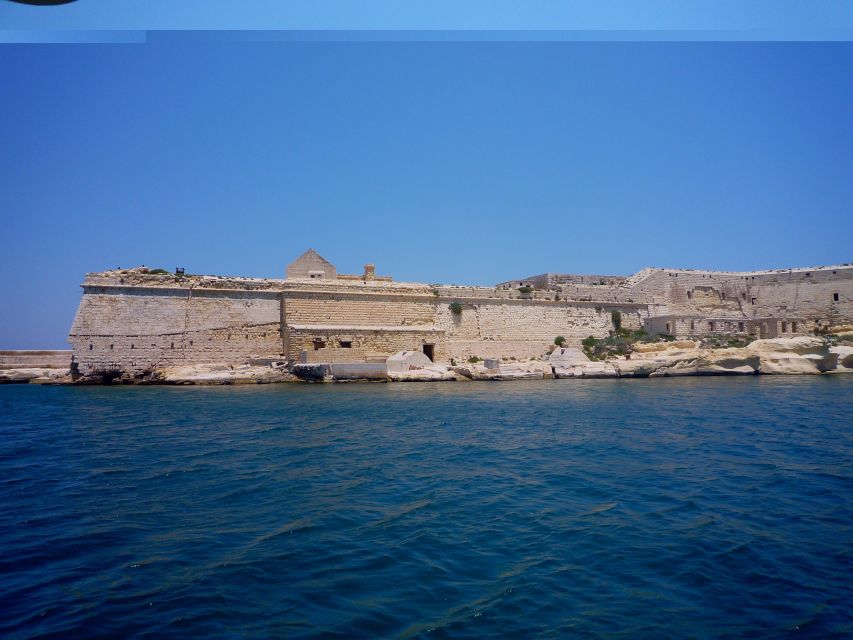
At $24 per person, this is not the cheapest possible harbour ride, but it offers good value for the amount of Malta you cover. In 75 minutes, you see two major harbours, several creeks, Valletta, the Three Cities, historic forts, marinas, shipyards, and the port.
The commentary is what makes the price easier to justify. A silent boat ride would still be scenic, but you would miss much of the reason the harbours look the way they do. The captain’s explanations add context to the fortifications and working docks, and the English is described as clear and accessible.
The cruise earned a 4.5 rating from 218 reviews, with especially strong praise for the scenery, friendly crew, cleanliness of the boat, and quality of the commentary. I would place the commentary and the broad route at the top of the list. The views are excellent, but the information helps you make sense of them.
Do keep your expectations practical. This is sightseeing from the boat, not a private charter. The route has a set course, and every landmark is a pass-by. You will not get off at Fort Manoel, the Maritime Museum, Fort St. Angelo, or any of the gardens.
The cruise also has an English-only format. That works well if you understand English, but it may be less useful if you need commentary in another language.
Who should book this harbour cruise?
I would recommend it to first-time visitors who want to understand Malta’s central harbour area before choosing which sites to visit on land. It is also a strong option for people with limited time, cruise passengers, families, and anyone who wants a scenic break from steep streets and stone pavements.
It suits you particularly well if you enjoy a mix of history and working infrastructure. The shipyards, docks, and cargo areas are not an interruption to the experience. They are part of the story.
I would be less enthusiastic if you want a quiet nature cruise, a swimming stop, or a detailed guided visit inside monuments. The route is urban and heavily tied to Malta’s port life. Its appeal comes from forts, cities, waterfronts, and harbour operations.
Book ahead if the timing matters to your day, and arrive at least 15 minutes early at Sliema Ferries 4. Sunglasses, sun protection, and a camera are sensible additions. Free cancellation is available up to 24 hours before departure, and you can reserve now and pay later, which helps if your Malta schedule is still changing.
Should you book it?
Yes, if you want an efficient and informative view of Malta’s two great harbours. The best reasons are the full route, the clear English commentary, and the chance to see Valletta and the Three Cities from an angle you cannot get on foot.
The main caution is the dock content. If cranes, shipyards, and cargo history sound dull to you, the first part may test your patience. For most visitors, though, the mix of grand fortifications and working harbour life makes this $24 cruise a worthwhile way to get your bearings.
FAQ
Where does the harbour cruise depart?
The cruise departs from Sliema Ferries 4 in Sliema. Look for the Luzzu Cruises boat named Antonia, Helena G, or Sansone.
How early should I arrive?
You should arrive at least 15 minutes before departure.
How long does the cruise last?
The cruise lasts 75 minutes.
Which languages are available for the commentary?
The commentary is provided in English.
Does the cruise visit Marsamxett Harbour and Grand Harbour?
Yes. The route covers Marsamxett Harbour and Valletta Grand Harbour, including the creeks around Valletta.
Can I cancel the booking?
You can cancel up to 24 hours before departure for a full refund. You can also reserve your place and pay later.
New on the water in Malta
- The Best Traditional 2 Harbours Day Cruise of Malta★ 4.2 · 432 reviews
- St. Paul’s Bay: Half-Day Scenic Catamaran Tour with Drinks★ 4.8 · 157 reviews
- Sliema: Special Night Harbour Cruise★ 4.3 · 41 reviews
- Sliema: Powerboat trip to Gozo & Comino with Caves★ 4.7 · 62 reviews
- Sliema: Comino Blue Lagoon Powerboat Tour with Comino Caves★ 4.6 · 234 reviews
- Sliema: Comino, Crystal Lagoon & Blue Lagoon Cruise w/ Lunch★ 4.5 · 77 reviews
- Sliema: 3-Islands Cruise with Buffet Lunch and Drinks★ 4.0 · 57 reviews
- Private Boat Trip: Explore Comino, Blue Lagoon & Santa Maria★ 5.0 · 42 reviews
Mediterranean Boat Trips, compared.
Istanbul: Bosphorus Dinner Cruise & Show with Private Table
Read our review →
Boat Trip: Glimpse of Murano, Torcello & Burano Islands
Read our review →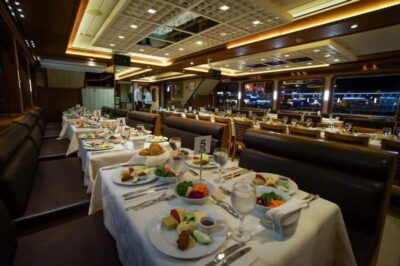
Istanbul: Bosphorus Dinner Cruise & Turkish Night Show
Read our review →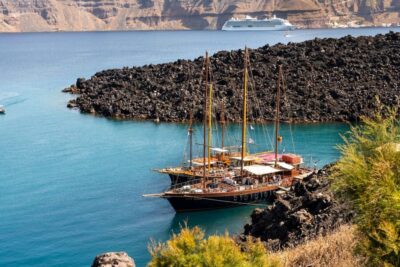
Volcanic Islands Cruise with Hot Springs Visit
Read our review →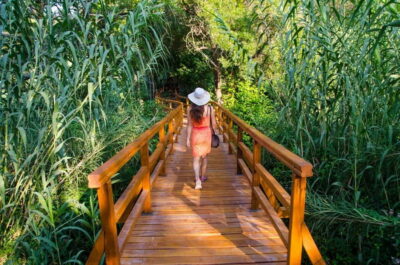
Split: Krka Waterfalls Trip with Boat Cruise and Swimming
Read our review →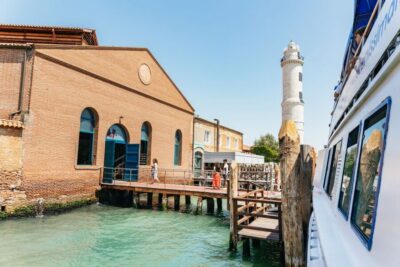
Venice: Burano, Torcello & Murano Boat Tour w/Glassblowing
Read our review →
Palma de Mallorca: 5-Hour Catamaran Cruise with Lunch & Swim
Read our review →
Blue Cave Small-Group Boat Tour from Dubrovnik
Read our review →Browse the lists this tour appears in