
Review · MEDITERRANEAN BOAT TRIPS
Genoa: Cetacean Watching Cruise with Marine Biologist Guide
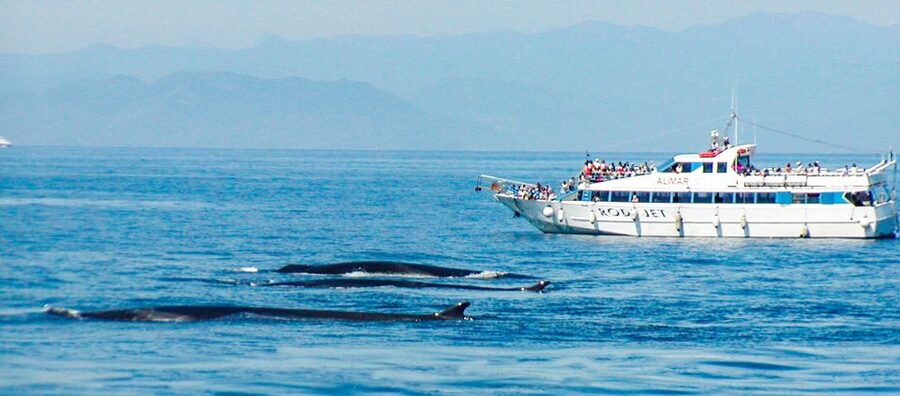
The real prize here is the chance to see wild dolphins and whales in the Pelagos Sanctuary, not in a tank or staged show. From Genoa, you head into open water with a marine biologist who explains what you are looking at, why the animals gather there, and how the sanctuary protects them.
I like the 95 percent sighting rate, though no wildlife tour can promise a whale on cue. I also like the free return option within one year if no cetaceans are spotted. The catch is simple: 4.5 hours on the sea can feel long, especially if the water is rough or the animals stay out of range.
Key points
- Wild animals in protected waters: Search for fin whales, sperm whales, dolphins, pilot whales, and other species in the Pelagos Sanctuary.
- A marine biologist on board: Get explanations about behavior, feeding habits, species identification, and conservation work.
- Strong chance of sightings: Cetacean sightings are common, but the exact species and viewing distance vary.
- A useful no-sighting policy: If no cetaceans appear, you can return free within one year with a new reservation.
- Genoa Aquarium Pier departure: Meet at Ponte Spinola 2, on the left side at the start of the Aquarium Pier.
- Bring patience and proper clothing: This is a real wildlife search, not a short harbor cruise.
Why the Pelagos Sanctuary matters
The Pelagos Sanctuary covers a broad section of the Mediterranean where several cetacean species feed and travel. Your guide begins with an introduction to the sanctuary, including its history, conservation programs, and the animals that live in or pass through its waters.
That opening talk gives the trip a useful purpose. You are not simply scanning the horizon for a splash. You learn why fin whales and sperm whales use this part of the sea, how dolphins behave around boats, and why the crew must avoid disturbing the animals.
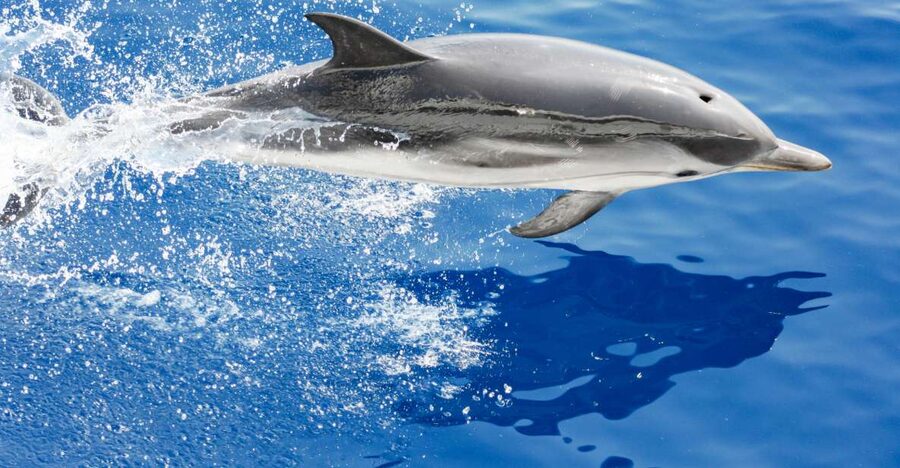
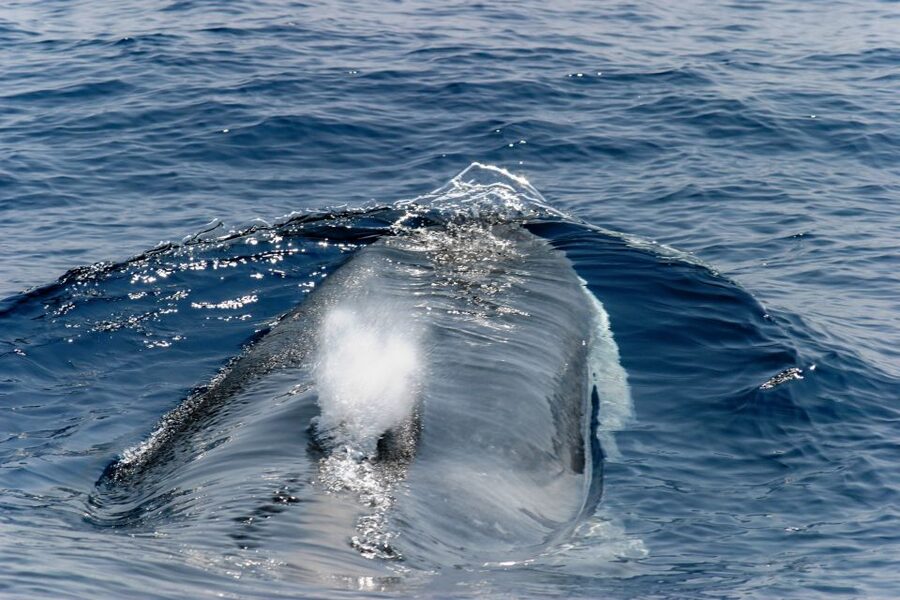
The possible sightings include fin whales, sperm whales, Cuvier’s beaked whales, Risso’s dolphins, long-finned pilot whales, striped dolphins, bottlenose dolphins, and short-beaked common dolphins. You may see one species or several. A large pod of dolphins can provide constant action, while a whale may show only its back before disappearing for several minutes.
The sanctuary setting also explains why the tour cannot operate like a standard sightseeing trip. The crew follows non-disturbance rules and does not chase animals for a closer photograph. That may mean a whale appears in the distance, but it also means the animals’ welfare comes first.
More guided trips in Italy
- Murano & Burano: Boat Tour with Guide & Glass Factory Visit
★ 4.3 · 10,716 reviews - Murano & Burano Islands Guided Small-Group Tour by Private Boat
★ 4.5 · 7,580 reviews - Murano & Burano Guided Tour by Private Boat with Glassmaking
★ 4.7 · 5,658 reviews
Starting at Genoa’s Aquarium Pier
The meeting point is easy to find if you are already near the aquarium. Go to the local partner’s ticket office at the beginning of the Aquarium Pier, at Ponte Spinola 2, on the left side. Arrive at least 15 minutes before departure.
The tour has two listed starting and drop-off points, both connected with Consorzio Liguria Via Mare at Ponte Spinola 2. That makes the logistics fairly simple. You return to the same general area after the sea trip, rather than needing a separate transfer across Genoa.
Bring comfortable shoes and clothes suited to the forecast. The boat has indoor and outdoor seating, so you can move between spaces, but you are still spending most of the day exposed to wind, sun, and changing sea conditions. A light extra layer is a smart choice even on a warm day.
The boat also has a toilet and bar service. Snacks and drinks are not included, so plan to pay on board if you want something during the four-and-a-half-hour outing. Smoking and pets are not allowed.
The four-and-a-half-hour search at sea
Once the briefing is finished, the boat heads toward areas considered favorable for marine mammal sightings. There is no fixed parade of stops. The crew searches, watches, listens for reports, and adjusts the route according to conditions and animal activity.
This matters when you set expectations. A harbor cruise gives you a steady sequence of landmarks. A cetacean trip gives you long stretches of open sea, followed by a sudden fin, breach, or group of dolphins beside the boat.
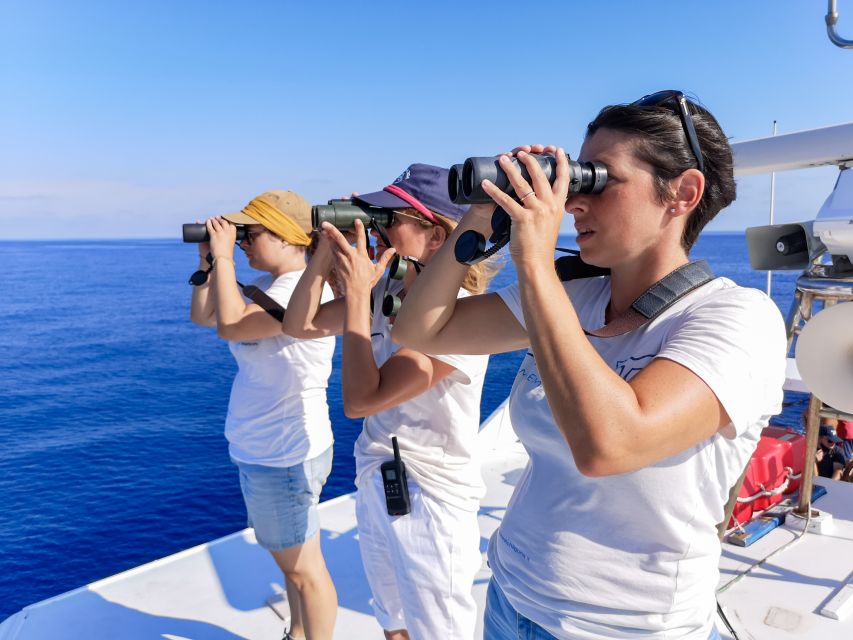
The guide helps you read the water. A distant splash may be a dolphin, while a low, slow back could belong to a whale. The marine biologist also explains feeding patterns and social behavior, so the time spent searching has more meaning.
You may spend part of the trip standing or sitting quietly while everyone scans the horizon. Comfortable shoes help, and a camera with a good zoom is more useful than relying only on a phone. Keep your camera ready, but do not spend the entire trip looking at a screen. Some sightings are brief.
Dolphins can provide the most action
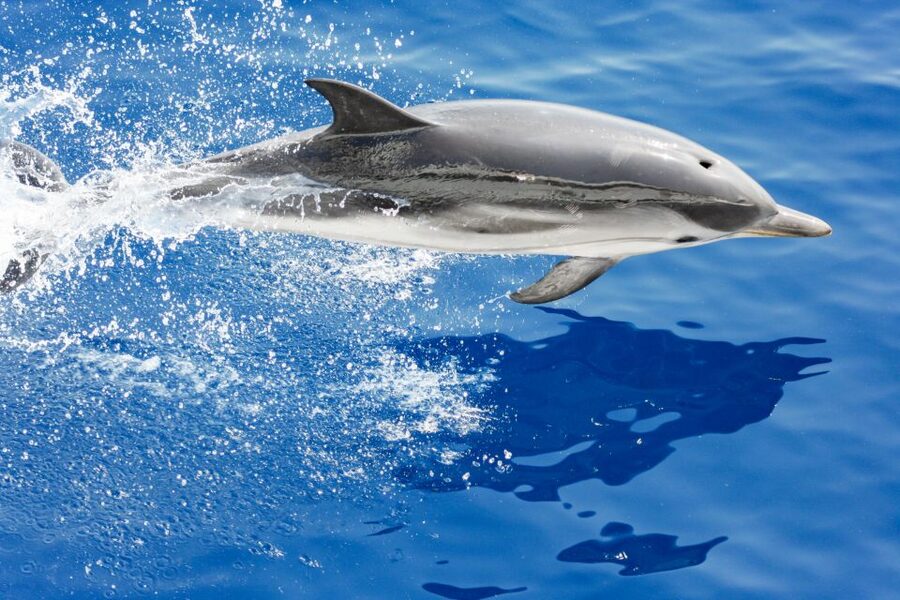
Dolphins are often the most active part of the outing. They may appear in groups, move quickly through the water, or play near the boat. Recent departures have included groups totaling about 100 dolphins and more than one dolphin species.
Bottlenose dolphins and short-beaked common dolphins are among the possible sightings. Striped dolphins and Risso’s dolphins may also appear. Your guide can help separate one species from another, which is useful when several animals surface at once.
A dolphin sighting is not guaranteed to mean close contact. The animals may remain at a distance or travel across the boat’s path without approaching. If they do come near, the crew maintains a respectful distance rather than encouraging them to follow the vessel.
This restraint is worth understanding before you book. You are paying for expert searching and interpretation, not for a performance. The best moments may last only a few seconds, so keep watching after the first sighting.
More Mediterranean boat trips in Italy
- Boat Trip: Glimpse of Murano, Torcello & Burano Islands
★ 4.3 · 15,699 reviews - Venice: Burano, Torcello & Murano Boat Tour w/Glassblowing
★ 4.4 · 10,245 reviews - From Milan: Como, Lugano and Bellagio Exclusive Boat Cruise
★ 4.8 · 6,635 reviews - From Milan: Como Private Boat, Bellagio and Lugano Day Trip
★ 4.8 · 6,271 reviews
Whales require patience and luck
The sanctuary is home to large species, including fin whales and sperm whales. A sperm whale can surface briefly before heading back below the water, while a fin whale may reveal only a small part of its body at first.
Some outings have produced sightings of three sperm whales, along with dolphin groups. On another trip, a sperm whale was seen while it was already moving away and preparing to disappear. That kind of encounter can feel less dramatic than a close breach, but it is still a genuine glimpse of a wild animal in open water.
The tour cannot promise humpback whales, and not every departure sees a whale. One outing with calm seas produced beautiful dolphins but no whales. That is the central tradeoff of this experience: the 95 percent figure refers to seeing cetaceans, not necessarily the particular animal you hope to find.
If your main goal is a whale, book with flexibility. If you would be happy with dolphins, the odds are more encouraging. The free return policy also reduces the risk if the sea remains empty. You can return within one year from the original excursion date, using a new reservation and the original ticket at boarding.
A guide who adds meaning to the sightings
The marine biologist is the main reason this trip offers more than a basic boat ride. The guide discusses species, diet, habits, movement, social behavior, and the conservation work taking place in the sanctuary.
You can ask questions throughout the trip. Ask how the guide identifies a dolphin at a distance, why whales surface in a certain way, or how boats reduce disturbance. The answers help you understand what you are seeing rather than simply collecting photographs.
The tour operates in Italian and English. Since explanations are given in both languages, announcements may take longer. The volume can also be high, and the English may be difficult to follow at times. If the guide’s spoken English is important to you, keep that possibility in mind.
Still, the live explanation is valuable, especially for families and anyone interested in marine biology. Children may enjoy the search itself, while older visitors may appreciate the conservation discussion and species details.
What the boat ride feels like
The boat provides both indoor and outdoor seating. Outdoor seats offer the best chance to spot an animal quickly, but you will feel more wind and sun. Indoor seating gives you shelter and a break from the elements, though you may need to move outside when an animal is reported.
The sea can be calm, as it was on some recent outings, but weather is never fully predictable. The operator may cancel the excursion one day before departure if the weather or sea conditions are poor. This is a sensible safety measure, though it can affect tightly scheduled trips.
Four and a half hours is enough time to reach productive waters and search properly. It is also the part most likely to test your patience. One visitor found the duration long even after seeing many dolphins. I would not choose this tour if you want a quick activity between museum visits.
Bring water and a small snack if you do not want to buy refreshments at the bar. The boat’s bar service is convenient, but food and drinks cost extra. Wear clothes you can sit in comfortably for a long period, and bring weather protection rather than assuming Genoa’s shore temperature tells you what the open sea will feel like.
Is $53 a fair price?
At $53 per person, the cost is reasonable for a 4.5-hour marine mammal trip with a specialist guide. You are paying for the boat, the time needed to reach open-water viewing areas, and the expertise that helps you understand the animals.
The value depends on what you want from the day. If you need a guaranteed whale sighting or a short, tightly scheduled activity, this is a poor match. If you value wild animals, patient observation, and a proper explanation of the sanctuary, the price is easier to justify.
The free return option adds useful protection. A quiet sea does not mean the trip failed, since wild animals control the schedule, but it can still be disappointing after four hours. Being able to come back within one year gives you another chance without paying for a second excursion.
The rating of 4.3 from 745 bookings suggests a generally strong experience, with the usual gap between a spectacular wildlife day and a quieter one. The most praised moments involve large dolphin groups, multiple species, and occasional sperm whales. The main complaints concern the long duration and loud or hard-to-follow bilingual announcements.
Who should book this Genoa cruise?
I would recommend it to you if you enjoy wildlife, can tolerate uncertainty, and are happy to spend several hours at sea. It suits families with children who can handle a long boat trip, photographers who want wild subjects, and anyone curious about Mediterranean marine life.
It is also a good choice if you have already visited Genoa’s aquarium and want to see animals in their natural setting. The experience changes your perspective: instead of viewing a display, you learn how difficult it is to find and observe animals that are free to move wherever they wish.
I would be more cautious if you suffer from seasickness, dislike long periods of waiting, or have only a narrow window in Genoa. The tour may be canceled because of conditions, and the exact sightings cannot be controlled.
The cruise is wheelchair accessible, which makes it an option for more visitors, though you should still confirm practical boarding details when booking if you have specific mobility needs. Italian and English guiding is available.
Practical ways to improve your day
Arrive 15 minutes early so you can find the ticket office without rushing. The Aquarium Pier is the key landmark, and the office is on the left at the start of the pier.
Dress for the open sea, not just the city. Comfortable shoes, weather-appropriate clothing, and an extra layer will make the long ride easier. If you plan to photograph dolphins, keep your camera ready and use a wrist strap or secure bag.
Treat the sighting percentage as encouragement, not a promise of a whale. You may see a large dolphin group, a single distant whale, or several species in one outing. The guide’s explanations make each result more worthwhile.
Finally, remember the return option if the sea stays empty. Keep the original ticket, since it is needed for a free return within one year.
Should you book it?
Book this tour if you want a serious wildlife outing from Genoa and can give the sea four and a half hours of your time. The marine biologist, protected sanctuary, strong chance of cetacean sightings, and free return after a no-sighting trip make the $53 price attractive.
Skip it if you need a guaranteed whale, a quick excursion, or quiet commentary in only one language. For everyone else, this is one of Genoa’s more memorable ways to meet the Mediterranean, provided you bring patience and accept that nature sets the timetable.
FAQ
Where does the cetacean cruise depart from?
Meet at the local partner’s ticket office at the beginning of the Aquarium Pier, Ponte Spinola 2, on the left side. Arrive at least 15 minutes before departure.
How long does the excursion last?
The cruise lasts 4.5 hours, including the marine mammal search in the Pelagos Sanctuary.
Which animals might I see?
Possible sightings include fin whales, sperm whales, Cuvier’s beaked whales, Risso’s dolphins, long-finned pilot whales, striped dolphins, bottlenose dolphins, and short-beaked common dolphins.
Are cetacean sightings guaranteed?
No. Sightings are common, with an estimated 95 percent chance, but the crew cannot guarantee a sighting or a particular species.
What happens if no cetaceans are spotted?
You may return free within one year from the excursion date. You must make a new reservation through the company website and present the original no-sighting ticket at the boarding gate.
Are food and drinks included?
No. Snacks and drinks cost extra, but bar service is available on board. The boat also has a toilet, indoor seating, and outdoor seating.
New on the water in Italy
- Palinuro: Costa del Mito Boat Tour★ 4.9 · 191 reviews
- Boat tour from Avola to Portopalo with visit of Marzamemi★ 4.9 · 34 reviews
- Salerno: Amalfi Coast Boat Rental (License not Required)★ 5.0 · 79 reviews
- Taormina: Boat Tour to Taormina & Giardini Naxos with Drink★ 4.5 · 39 reviews
- Boat Party al Tramonto nelle acque del Salento con Drink★ 4.4 · 36 reviews
- Boat Excursions in Cefalù with Snorkeling & Aperitif★ 4.8 · 457 reviews
- Giardini Naxos: Boat Trip Isola Bella with Snorkeling★ 4.4 · 89 reviews
- Baveno: Hop-On Hop-Off Boat Tour to 3 Borromean Islands★ 4.4 · 306 reviews
Mediterranean Boat Trips, compared.
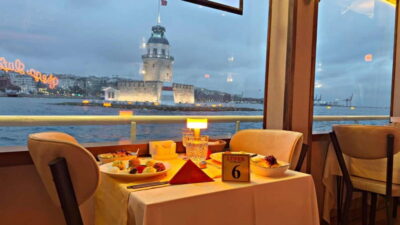
Istanbul: Bosphorus Dinner Cruise & Show with Private Table
Read our review →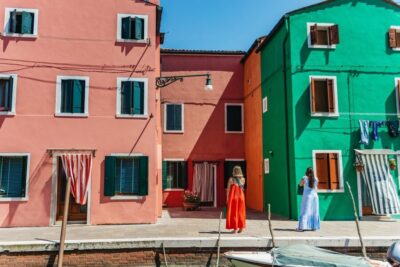
Boat Trip: Glimpse of Murano, Torcello & Burano Islands
Read our review →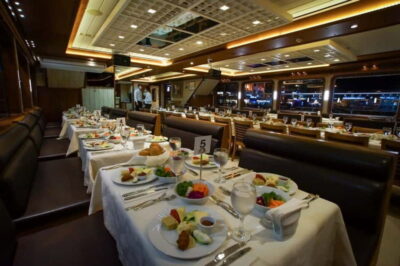
Istanbul: Bosphorus Dinner Cruise & Turkish Night Show
Read our review →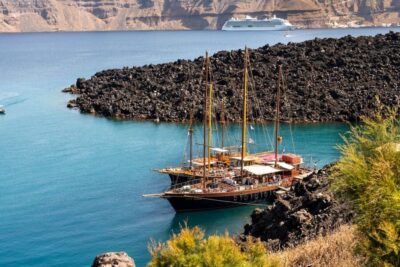
Volcanic Islands Cruise with Hot Springs Visit
Read our review →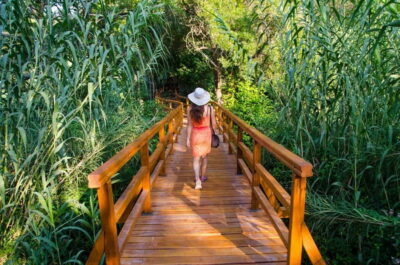
Split: Krka Waterfalls Trip with Boat Cruise and Swimming
Read our review →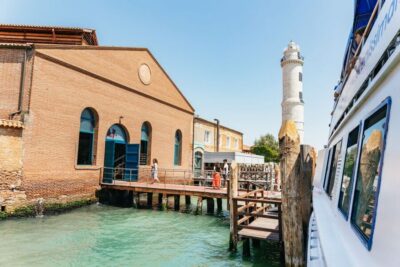
Venice: Burano, Torcello & Murano Boat Tour w/Glassblowing
Read our review →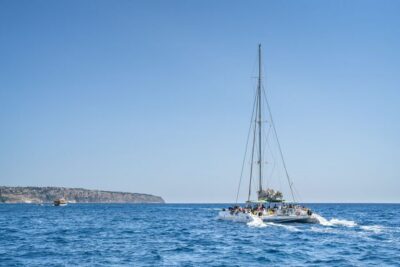
Palma de Mallorca: 5-Hour Catamaran Cruise with Lunch & Swim
Read our review →
Blue Cave Small-Group Boat Tour from Dubrovnik
Read our review →Browse the lists this tour appears in